


















































































































Understanding "Black Box" Concepts: From Aviation to AI
Exploring the various meanings of "black box" across different fields, including flight recorders, systems engineering, and artificial intelligence.


Aircraft Black Box: Complete Guide
An aircraft black box is one of the most important safety devices on a modern airplane. Despite its name, a black box is usually painted bright orange so investigators can find it more easily after an accident. Officially, aircraft black boxes generally consist of two main recording systems: the Flight Data Recorder (FDR) and the Cockpit Voice Recorder (CVR). Together, they provide valuable information about what happened before, during, and sometimes after an aviation accident or serious incident.

This story follows Shri, a serious and determined UPSC aspirant, as she journeys through love, friendship, ambition, and self-discovery. Initially reserved and focused solely on her career, Shri’s life changes when she meets Sudhanshu, a cheerful and carefree cricketer whose personality is completely different from hers. Their relationship brings moments of happiness, attraction, confusion, and emotional conflict. While Shri values commitment, dignity, and emotional connection, she struggles to balance her feelings with her dreams of becoming an IAS officer.
Alongside her personal challenges, Shri experiences the realities of student life in Delhi, supported by friends such as Monica, Sandhya, Isha, and Manish. Each character faces different struggles involving love, career choices, family expectations, and personal growth. As relationships break, dreams change, and time passes, Shri learns resilience, self-respect, and independence. Through heartbreak, loss, and years of waiting, she matures into a stronger woman who understands that life’s greatest lessons often come through both love and adversity.
What Does a Black Box Record?
The Flight Data Recorder stores technical information about the aircraft. Depending on the aircraft and recorder, it can record hundreds or even thousands of parameters, including altitude, airspeed, heading, engine performance, aircraft position, flight-control movements, and autopilot status. This information helps investigators reconstruct the aircraft's movements and determine whether mechanical or operational problems occurred.
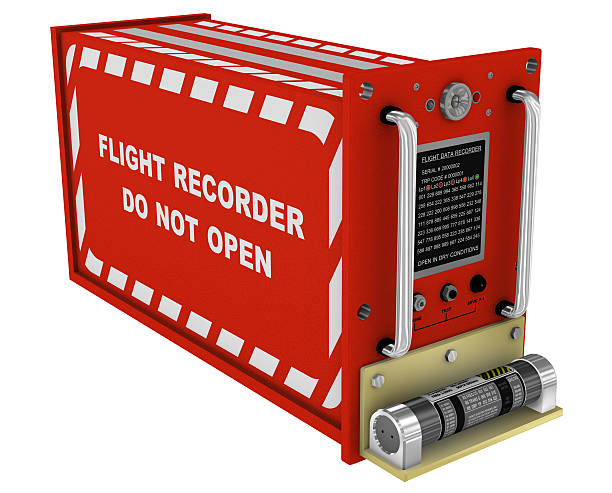
The Cockpit Voice Recorder records sounds and conversations in the cockpit. It can capture communications between pilots and air-traffic controllers, conversations between crew members, alarms, engine sounds, switches, and other important cockpit noises. These sounds can help investigators understand the crew's actions and the sequence of events.
Where Is the Black Box Located?
Black boxes are normally installed toward the rear section of an aircraft, because this area has historically offered a better chance of survival during certain types of crashes. The recorder is housed in a highly protected casing designed to withstand extreme conditions.
The protective unit is built to resist severe impact, fire, pressure, and water. It contains memory components capable of preserving recorded information even when much of the surrounding aircraft has been destroyed.

How Does It Survive a Crash?
Aircraft recorders are designed according to strict aviation safety standards. Their protective casing can withstand tremendous forces and extreme temperatures. Many recorders also have an underwater locator beacon, commonly called a pinger. If the recorder enters water, the beacon can transmit acoustic signals that help search teams locate it.
Search teams use specialized equipment to detect these signals, particularly when an aircraft crashes into the ocean or another difficult-to-access location.
How Is the Black Box Investigated?
After an accident, investigators carefully recover the recorder and transport it to a secure laboratory. Technicians examine the device for physical damage before attempting to download its data. The recorded information is then analyzed alongside radar records, air-traffic-control communications, maintenance records, weather information, witness accounts, and aircraft wreckage.
Investigators use this evidence to reconstruct the aircraft's final moments and identify contributing factors.

Why Is the Black Box Important?
The black box is essential for improving aviation safety. Information from accident investigations can reveal problems involving aircraft design, maintenance, pilot procedures, weather, air-traffic control, or other factors. Airlines, aircraft manufacturers, regulators, and investigators can then use these findings to introduce new safety procedures and technologies.
Importantly, the black box is not intended to prevent an accident. Its primary purpose is to preserve evidence that can help explain what happened and prevent similar accidents in the future.
Conclusion
The aircraft black box is a remarkable piece of aviation technology. Protected by a highly durable casing and equipped with sophisticated recording systems, it preserves critical information about an aircraft's flight and cockpit environment. Although commonly called a “black box,” its bright orange appearance, strong construction, underwater locator beacon, and advanced memory systems make it one of the most valuable tools in aviation accident investigation. By learning from recorded flight data and cockpit information, the aviation industry can continually improve aircraft design, pilot training, maintenance, and overall passenger safety.