






































































































Indian Economy in 2026: India's Position, Growth and Future in the World
Explore India's growing role in the global economy, its GDP growth, major industries, international trade, technological development, economic challenges and future opportunities.


Indian Economy in Today's World: India's Position, Growth, Challenges and Future Prospects

This story follows Shri, a serious and determined UPSC aspirant, as she journeys through love, friendship, ambition, and self-discovery. Initially reserved and focused solely on her career, Shri’s life changes when she meets Sudhanshu, a cheerful and carefree cricketer whose personality is completely different from hers. Their relationship brings moments of happiness, attraction, confusion, and emotional conflict. While Shri values commitment, dignity, and emotional connection, she struggles to balance her feelings with her dreams of becoming an IAS officer.
Alongside her personal challenges, Shri experiences the realities of student life in Delhi, supported by friends such as Monica, Sandhya, Isha, and Manish. Each character faces different struggles involving love, career choices, family expectations, and personal growth. As relationships break, dreams change, and time passes, Shri learns resilience, self-respect, and independence. Through heartbreak, loss, and years of waiting, she matures into a stronger woman who understands that life’s greatest lessons often come through both love and adversity.
Introduction
India has emerged as one of the most important economies in the world. Over the past few decades, the country has experienced significant economic transformation through industrial development, technological advancement, infrastructure expansion, foreign investment and international trade. Today, India is an important player in the global economy and is recognised for its growing market, young population, skilled workforce and expanding digital economy.
India's economic development is not only important for its citizens but also plays a significant role in shaping the future of the world economy. As global countries face challenges such as inflation, geopolitical tensions, unemployment and changing trade relationships, India has the opportunity to strengthen its position as a major economic power.
1. India's Position in the Global Economy
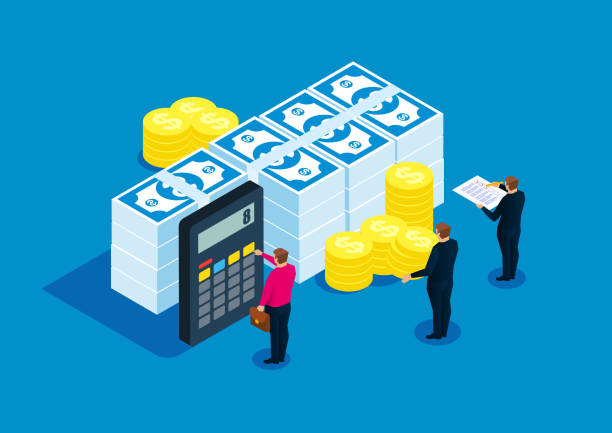
India is currently among the world's largest economies. According to the International Monetary Fund's 2026 estimates, India's nominal GDP is approximately $4.06 trillion, placing it sixth among the world's largest economies. The United States, China, Germany, Japan and the United Kingdom are ahead of India in the 2026 nominal GDP estimates. India also has a significant position in purchasing power parity (PPP), reflecting the strength of its domestic economic activity.
The World Bank projects India's economy to grow by 7.1% in FY2026–27, supported by strong domestic demand and exports. This growth makes India an important contributor to global economic expansion.

2. Major Sectors Driving India's Economic Growth
India's economy depends on several important sectors that contribute to national income, employment and international trade.
Agriculture: Agriculture remains an essential part of the Indian economy. A large section of the population depends on farming and related activities. India produces rice, wheat, sugarcane, cotton, tea, fruits and vegetables. Agricultural development is important for food security, rural employment and exports.

Manufacturing and Industry: Manufacturing is another important driver of economic growth. Government initiatives such as Make in India encourage domestic production and attract foreign companies. Automobile manufacturing, pharmaceuticals, electronics, textiles, steel and machinery are important industrial sectors.
Information Technology: India's IT industry has established a strong international reputation. Indian companies provide software development, business management, cybersecurity, digital services and technical support to clients worldwide. The growth of artificial intelligence, cloud computing and digital technology is creating further opportunities.

Services Sector: Banking, insurance, education, healthcare, tourism, transportation and telecommunications contribute significantly to India's economy. The services sector also helps India maintain strong connections with international markets.
3. India's Role in International Trade
International trade plays an important role in India's economic development. India exports petroleum products, medicines, textiles, engineering goods, chemicals, agricultural products, gems and jewellery, and IT services.

The country maintains important trade relationships with the United States, China, the United Arab Emirates, European countries, Japan and other Asian economies.
India also participates in international economic organisations such as the G20, World Trade Organization (WTO), BRICS and International Monetary Fund (IMF). These platforms allow India to discuss global financial stability, trade policies, investment opportunities and economic cooperation.

By strengthening international trade relationships, India can increase exports, attract foreign investment and create employment opportunities.
4. Foreign Investment and Infrastructure Development
Foreign Direct Investment (FDI) is an important factor in India's economic progress. International companies invest in India because of its large consumer market, skilled workforce, developing infrastructure and business opportunities.
Investment in renewable energy, automobiles, electronics, telecommunications, banking and manufacturing can improve industrial production and generate employment.

Infrastructure development is equally important. Highways, expressways, railways, airports, ports, metro systems and digital networks improve connectivity and reduce transportation costs. Better infrastructure also encourages businesses to expand their operations.
The government's focus on infrastructure investment and private-sector participation can help India become a more competitive global economy.

5. Digital Economy and Technological Development
India is becoming a major centre for digital innovation. Digital payment systems such as UPI have transformed financial transactions and made payments easier for individuals and businesses. Online banking, e-commerce, digital education and government services are expanding rapidly.

Artificial intelligence (AI), robotics, fintech and digital infrastructure are creating new business opportunities. According to the World Bank's October 2026 India Development Update, private investment in AI increased from $1.2 billion in 2024 to $4.1 billion in 2025. This highlights India's growing importance in the global technology industry.

6. Major Challenges Facing the Indian Economy
Despite its impressive economic growth, India faces several challenges that need attention.
-
Unemployment: Providing sufficient jobs for India's growing working-age population remains a major challenge.
-
Poverty and inequality: Economic development must reach rural communities and economically weaker sections of society.
-
Inflation: Rising food, fuel and essential commodity prices can reduce people's purchasing power.
-
Education and skills: Improving educational quality and technical training is necessary to prepare young people for modern employment.
-
Global uncertainty: International conflicts, changing trade policies, energy prices and supply-chain disruptions can affect India's economic stability.

The OECD has also highlighted risks from higher energy prices, inflation and weaker employment growth in its 2026 economic outlook.
7. India's Relationship with the Global Economy
India's economic growth is closely connected with developments in other countries. Changes in international oil prices, currency exchange rates, foreign investment and global demand directly influence its economy.
India imports significant quantities of crude oil, natural gas and electronic components. Therefore, international price increases can increase production costs and affect domestic inflation.

At the same time, India's growing consumer market provides opportunities for international businesses. Global companies are increasingly interested in India's manufacturing, technology, infrastructure and service industries.

India can strengthen its global position through international partnerships, trade agreements, technological cooperation and sustainable economic policies.
8. Future Prospects of the Indian Economy
The future of the Indian economy looks promising. A large young population, growing middle class, expanding digital infrastructure and increasing investment provide strong foundations for long-term development.
Renewable energy, electric vehicles, artificial intelligence, semiconductor manufacturing, tourism, healthcare and modern agriculture are expected to create new opportunities.

However, achieving sustainable economic growth will require better education, improved healthcare, employment generation, industrial development and environmental protection.

India's long-term ambition of becoming a developed nation by 2047 will depend on how effectively it addresses these challenges and converts economic opportunities into real improvements in people's lives.
Conclusion
India has become an influential economy in today's world. Its growing GDP, technological progress, expanding industries, international trade and investment opportunities have strengthened its position in the global economic system. Although unemployment, inflation, poverty and income inequality remain important challenges, India's long-term economic potential is considerable.
With effective government policies, private-sector participation, skilled human resources and international cooperation, India can strengthen its position among the world's leading economic powers. India's development will not only benefit its own population but also contribute significantly to global economic growth and stability.
Suggested SEO keywords: Indian Economy 2026, Indian Economy in World, India's Global Economic Position, Indian GDP Growth, Indian Economic Development, Future of Indian Economy, India as a Global Economic Power, Indian Economy Challenges.
Note: Economic rankings and growth forecasts are estimates and can change with new IMF and World Bank updates.